Set of 6 x 2024 Conservation Stories: Northern Leopard Frog Specimen Coins | Royal Canadian Mint
Related products
This is the story of a leap towards recovery
The loss of even a small species can have big consequences for its surroundings, and so it is with the northern leopard frog—as an indicator species, its wellbeing speaks volumes about the health of wetland ecosystems.
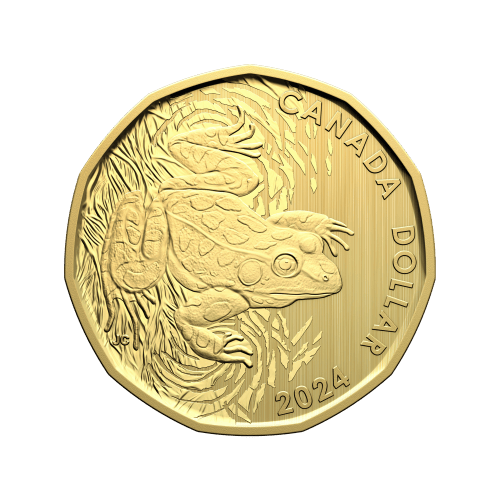
Depicted on the 2024 Specimen Dollar, the northern leopard frog was once widespread, but in Western Canada, populations have been in sharp decline due to disease, habitat loss and degradation, and the introduction of invasive species. The Rocky Mountain population in British Columbia has been designated “endangered” by the Committee on the Status of Endangered Wildlife in Canada (COSEWIC) but there’s some good news: the B.C. Northern Leopard Frog Recovery Team are working to prevent this amphibian’s local extinction. As part of this team, the Wilder Institute supports head-starting efforts, a conservation breeding program and wild-to-wild translocations. Together with their partners, the Wilder Institute is giving northern leopard frog populations a much needed helping hand and a shot at bouncing back.
The 2024 Specimen Dollar features one of British Columbia’s most at-risk species.
PRODUCT HIGHLIGHTS
- Fifth in the series. This is the fifth specimen set in a series that is helping to raise awareness of wildlife conservation and species recovery efforts in Canada.
- A world exclusive. The Royal Canadian Mint are the only mint that issues an annual set of coins in a specimen finish (brilliant/frosted relief against a lined background). This Specimen Set continues to be one of the most popular sets produced each year by the RCM.
- For nature and wildlife lovers. Inspire a child to collect coins: this affordable set’s educational theme makes it a great gift for animal lovers of all ages, and its educational theme makes it the perfect starter set for a new collector.
- Limited supply. Mintage is limited to 30,000 sets.
- Includes serialized certificate. The Royal Canadian Mint certifies all of its collector coins.
PACKAGING
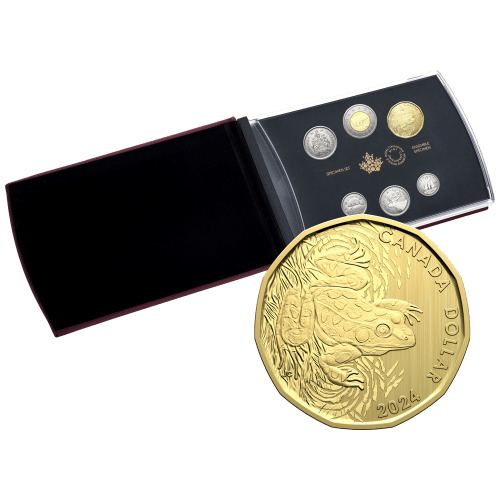
Your specimen set comes in elegant book-style packaging, with a removable lens that allows for easy viewing of your coins.
NEW EFFIGY
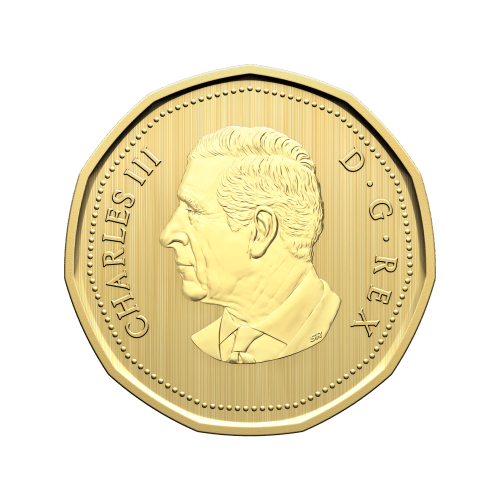
This is the first specimen set to feature the Canadian effigy of His Majesty King Charles III. The effigy appears on every circulation coin featured in this set.
A SET EXCLUSIVE SPECIMEN DOLLAR
For 2024, the set’s specimen dollar highlights the plight of the endangered Rocky Mountain population of northern leopard frogs, and the species’ leap towards recovery. The specimen dollar is exclusive to this set—it is not available for individual purchase.
PACKAGED FOR EASY VIEWING
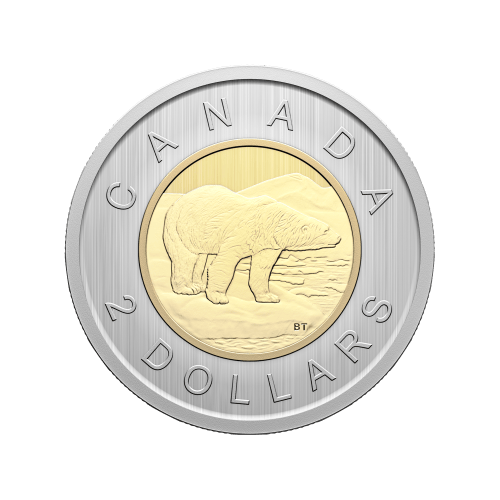
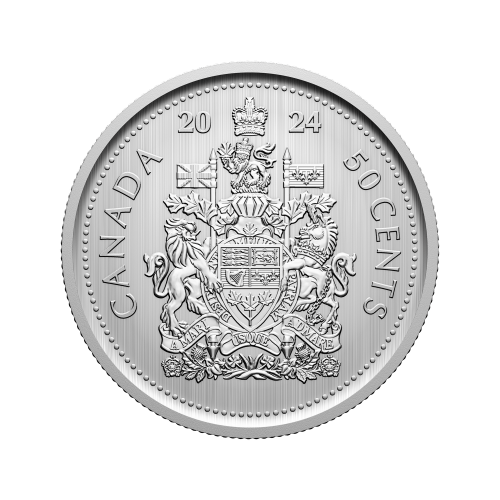
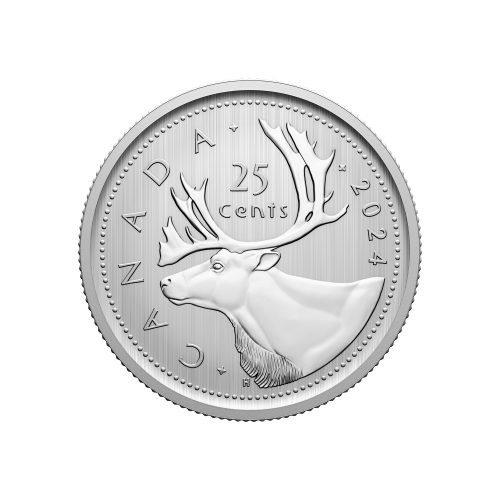
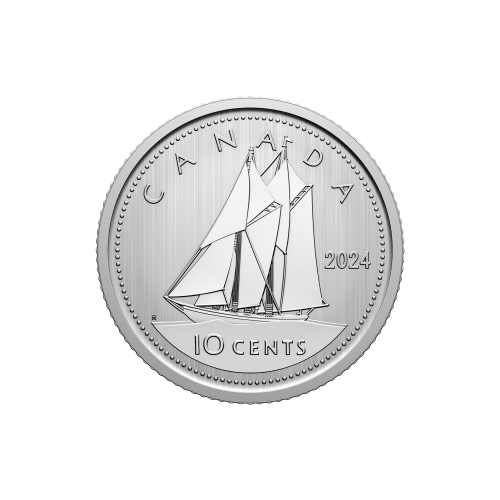
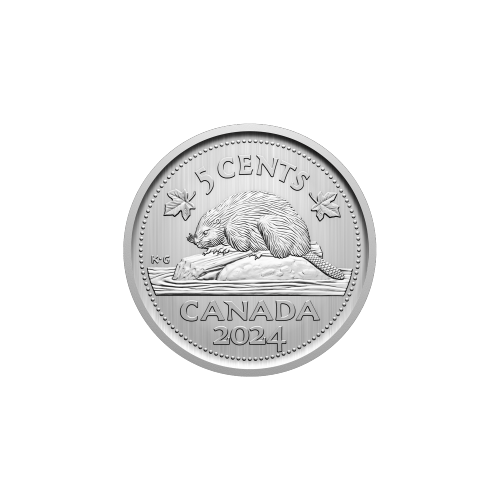
All six coins—$2, the specimen $1, 50 cents, 25 cents, 10 cents and 5 cents—come ready for viewing and are presented side-by-side in elegant book-style packaging (with a removable lens) that will further enhance your enjoyment of these coins.
DID YOU KNOW?
The only remaining population of northern leopard frogs in British Columbia is located in a protected area: the Creston Valley Wildlife Management Area in south-central B.C.
The semi-aquatic northern leopard frog plays an important ecological role by transferring nutrients between aquatic and terrestrial ecosystems.
The set-exclusive specimen dollar features a reverse design by artist Julius Csotonyi. Its depiction of a northern leopard frog (Lithobates pipiens) shows the amphibian partially submerged in its wetland habitat, where it gently rests on aquatic vegetation, such as Ceratophyllum demersum. The obverse features the effigy of His Majesty King Charles III by Canadian artist Steven Rosati.
ABOUT THE ROYAL CANADIAN MINT
The Royal Canadian Mint is known as one of the most reputable mints in the world. The Ottawa Branch of the Royal Mint opened in 1908 and was renamed The Royal Canadian Mint in 1931 when control was transferred to the Canadian government. Their high standards for excellence and quality allowed them to be the first refinery to manufacture 9999 fine gold bullion coins in 1982, as well as the first to reach 99999 fine gold purity in 1998.
