Pièce 20 $ en or MS-62 Liberté Double Aigle Année aléatoire | Monnaie des États-Unis


Related products
Avec la ruée vers l'or de la Californie en 1848 et l'arrivée d'un nouveau chef de gravure aux États-Unis, James B. Longacre, est apparue un nouveau motif de Double Aigle Liberté. Cette pièce est très prisée pour sa valeur antique mais aussi sa teneur en or élevée.
La plupart des sociétés de classement de pièces réputées utilisent l'échelle de classement Sheldon, internationalement reconnue, qui va de 1 à 70 pour évaluer l'état des pièces. Le MS-70 (qui signifie Mint State avec une note de 70) est la note la plus élevée qu'une pièce puisse obtenir. On l'appelle aussi « Perfect Uncirculated ».
CARACTÉRISTIQUES DE LA PIÈCE
- Expédiée individuellement dans un emballage de protection
- Composée de 0,9675 onces d'or 900
- Revers : contient un aigle héraldique tenant des flèches et une branche d'olivier dans ses serres, ainsi que la mention « United States of America Twenty Dollars. In God We Trust »
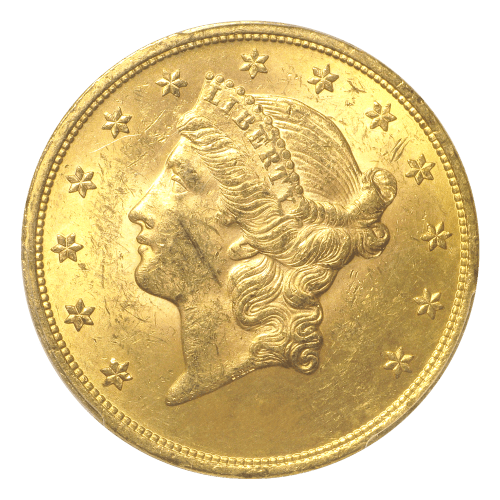
- Avers : contient une représentation de Dame Liberté portant une couronne, entourée de 13 étoiles, ainsi que la mention « LIBERTY ». Le motif peut varier selon l'année de parution
L'avers de cette ronde en or contient la représentation de Dame Liberté selon Longacre, le profile gauche de son buste entouré de treize étoiles représentant les treize colonies américaines d'origine. L'année d'émission se trouve sous le buste.
Le revers illustre l'emblème national des États-Unis d'Amérique : un pygargue à tête blanche, ailes déployées, tenant une branche d'olivier dans une patte et des flèches dans l'autre. Un insigne couronné repose en son centre, et la devise officielle des États-Unis « In God We Trust » se trouve au dessus de la tête de l'aigle.
Chacune de ces pièces présente un motif similaire, mais pas toujours identique, à l'avers et au revers.
À PROPOS DE LA MONNAIE DES ÉTATS-UNIS
Créé en 1792 en tant que premier hôtel des monnaies des États-Unis, la Monnaie des États-Unis est un bureau du département du Trésor, chargé de la production des pièces de monnaie ayant cours légal. La Monnaie des États-Unis a la mission de servir les Américains en tant que seul fabricant et distributeur de pièces de monnaie en circulation. La Monnaie américaine produit également des pièces commémoratives pour les collectionneurs, des pièces d'investissement en argent et en or pour les investisseurs (telles que les populaires séries Aigle et Bison), ainsi que des médailles du Congrès.
