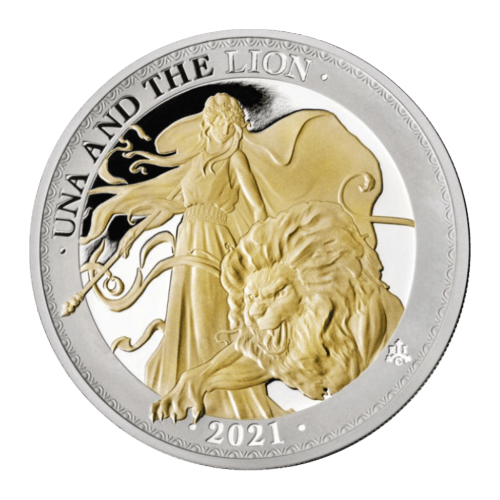
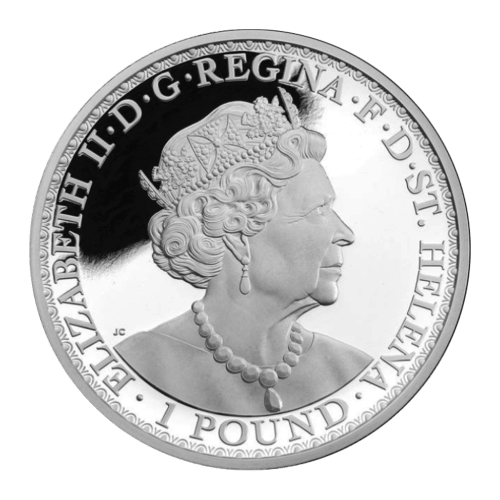

Pièce 1 once d'argent plaquée or Épreuve numismatique Saint-Hélène Una et le Lion 2021 | Compagnie des Indes orientales
Related products
La pièce Una et le Lion, conçue par le célèbre artiste et graveur William Wyon, a été frappée pour la première fois en 1839 pour commémorer le règne de la reine Victoria d'Angleterre, après sa succession au trône en 1837. Conçue à l'origine comme une pièce de collection, la pièce a été très bien accueillie par la critique et est reconnue comme l'une des plus belles pièces de l'histoire. La Compagnie des Indes orientales a réimaginé cette icône historique sur cette pièce 1 once d'argent pur à 999 plaquée or épreuve numismatique au motif immaculé.
CARACTÉRISTIQUES DE LA PIÈCE
- Expédiée individuellement dans un emballage de protection
- Composée de 1 once d'argent fin 999
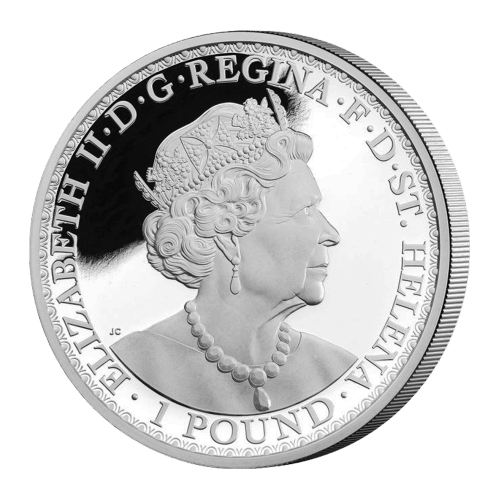
- Avers : présente l'effigie de la reine Elizabeth II selon Jody Clark, son nom et les initiales de son titre, les initiales de l'artiste ainsi que le nom du pays d'émission et la valeur légale
- Revers : présente une version redessinée et dorée de l'emblématique Una et le Lion, présentant Una tenant un spectre accompagnée de son féroce lion protecteur, ainsi que l'année d'émission et la marque d'atelier de la Compagnie des Indes orientales
L'histoire d'Una et du lion trouve son origine dans le poème épique d'Edmund Spencer, The Faerie Queene, publié en 1590. Ce long ouvrage allégorique fait l'éloge de la reine Élisabeth I, célébrant et critiquant la dynastie des Tudor.
Una est la belle et jeune fille d'un roi et d'une reine qui ont été emprisonnés par un terrible dragon. Una entreprend une quête pour libérer ses parents, mais au cours de son voyage, elle rencontre un lion féroce. Le lion est tellement captivé par l'innocence et la beauté d'Una qu'il abandonne son projet de la dévorer et fait le vœu de devenir son protecteur et son compagnon.
Una représente la vérité et l'Église d'Angleterre, tandis que le lion est censé représenter la le pouvoir, l'élégance et la figure aristocratique de la reine Élisabeth.
À PROPOS DE SAINT-HÉLÈNE
La minuscule île isolée de Saint-Hélène est un candidat peu probable pour prétendre être l'une des nations les plus influentes et les plus importantes dans le monde du commerce. Cependant, lorsque l'on regarde dans le passé et que l'on examine l'histoire collective, Saint-Hélène s'impose sans cesse comme une pièce intégrante du commerce mondial. L'île, dont la surface ne dépasse pas les 17 kilomètres de longueur et les 10 kilomètres de largeur était vue comme une oasis par les explorateurs et les conquérants tels que les Hollandais, les Portugais et les Anglais, qui rivalisaient pour prendre le contrôle de cet important port d'escale. En 1658, les Anglais ont revendiqués l'île en y construisant une forteresse et en transformant l'endroit en plaque tournante pour les expéditions lucratives vers les Indes, la Chine et le reste du monde à l'est. La société atteindra un succès sans précédent, constituant la moitié du commerce mondial. Établissant un monopole sur le coton, la soie, le sel, les épices et le thé, parmi tant d'autres, elle contribua à la vaste et immense fortune de l'Empire britannique. L'île, qui reste une colonie britannique à ce jour, joua un rôle vital dans l'ascension de l'Empire britannique.
