Pièce 1/10 once d'argent Guinée Spade Sainte-Hélène 2021 | Compagnie des Indes orientales

Related products
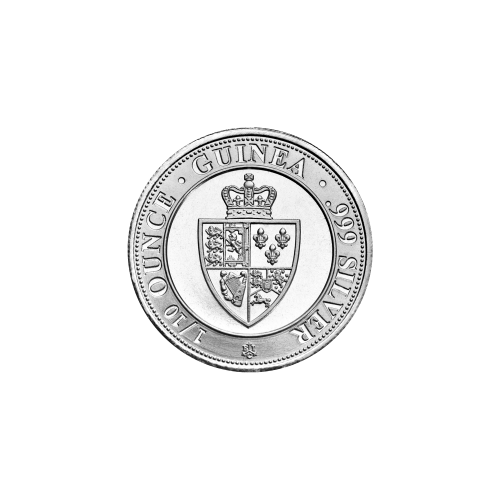
Voici une magnifique version de la pièce 1/10 once d'argent Spade Guinée Sainte-Hélène contenant le blason de la pièce Guinée émise en 1787. La Guinée était à l'origine une pièce d'or frappée en Grande-Bretagne entre 1663 et 1814 qui est devenue célèbre pour sa pureté et sa fiabilité. Ce fût la première pièce d'or à être conçue par une machine en Grande-Bretagne. Le nom Guinée a été choisi en raison du pays d'origine de l'or utilisé en premier pour la production de ces pièces.
CARACTÉRISTIQUES DE LA PIÈCE
- Expédiées individuellement dans un étui à rabat en plastique ou par multiples de 50 dans un tube en plastique
- Composée de 1/10 once d'argent fin 999
- Avers : Contient l'effigie de la reine Elizabeth II conçue par Raphael Maklouf ainsi que le pays et l'année d'émission et la valeur ayant cours légal
- Revers : Contient le motif du blason Spade Guinée basé sur la version de 1787 des Guinées d'or, ainsi que le poids et la pureté de la pièce, la marque d'atelier de la Compagnie des Indes orientales et la mention « GUINEA »
À PROPOS DE SAINT-HÉLÈNE
La minuscule île isolée de Saint-Hélène est un candidat peu probable pour prétendre être l'une des nations les plus influentes et les plus importantes dans le monde du commerce. Cependant, lorsque l'on regarde dans le passé et que l'on examine l'histoire collective, Saint-Hélène s'impose sans cesse comme une pièce intégrante du commerce mondial. L'île, dont la surface ne dépasse pas les 17 kilomètres de longueur et les 10 kilomètres de largeur était vue comme une oasis par les explorateurs et les conquérants tels que les Hollandais, les Portugais et les Anglais, qui rivalisaient pour prendre le contrôle de cet important port d'escale. En 1658, les Anglais ont revendiqués l'île en y construisant une forteresse et en transformant l'endroit en plaque tournante pour les expéditions lucratives vers les Indes, la Chine et le reste du monde à l'est. La société atteindra un succès sans précédent, constituant la moitié du commerce mondial. Établissant un monopole sur le coton, la soie, le sel, les épices et le thé, parmi tant d'autres, elle contribua à la vaste et immense fortune de l'Empire britannique. L'île, qui reste une colonie britannique à ce jour, joua un rôle vital dans l'ascension de l'Empire britannique.
