Pièce 1 once d'argent Pégase Saint-Hélène 2022 | Compagnie des Indes orientales
Related products
Le majestueux Pégase est l'une des créatures les plus connues de la mythologie grecque, et il constitue une excellente option pour une image numismatique étonnante ! Ces magnifiques pièces en argent fin 999 ont été frappées par la célèbre et traditionnelle Compagnie des Indes orientales pour l’île commerciale britannique de Sainte-Hélène.
CARACTÉRISTIQUES DE LA PIÈCE
- Expédiée individuellement dans un emballage de protection
- Composée de 1 once d'argent fin à 999
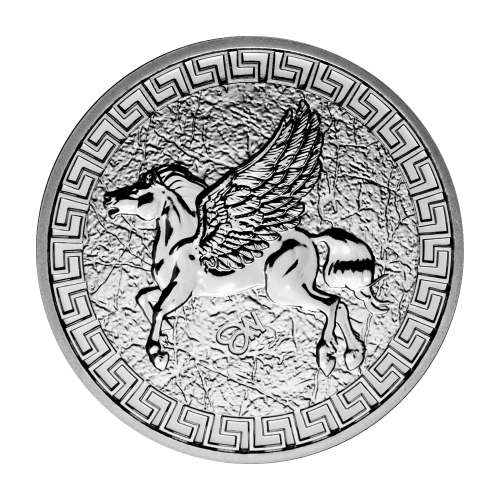
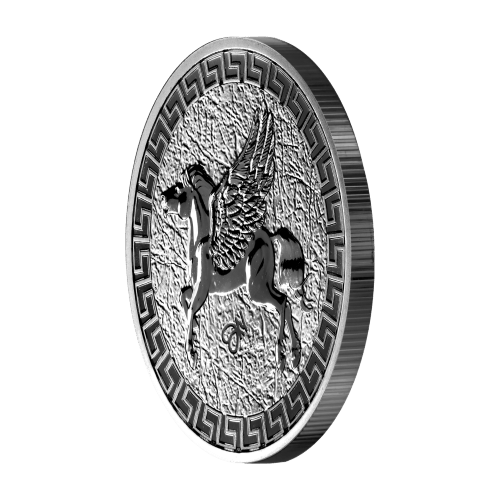
- Revers : contient une représentation de Pégase avec un arrière-plan composé d'ondulations craquelées, des initiales de l'artiste et d'un motif de style grec ancien entourant les bordures.
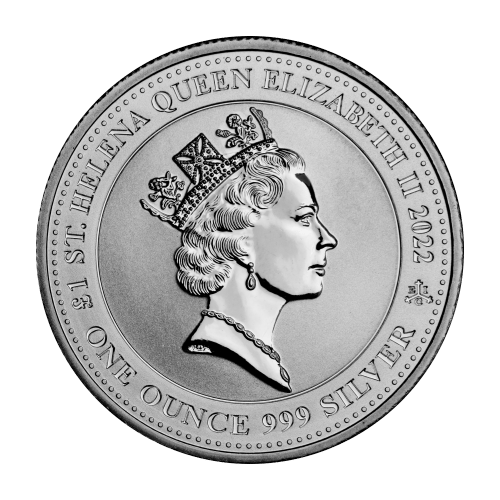
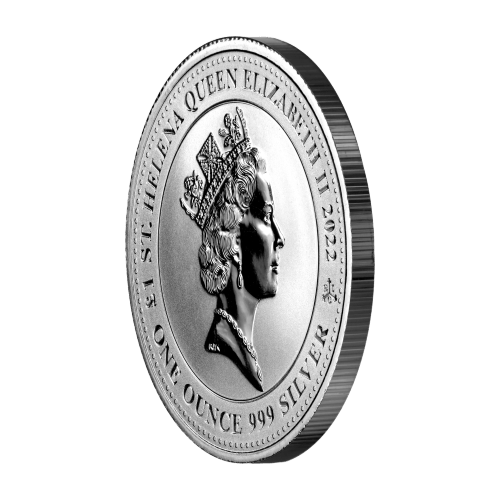
- Avers : présente une effigie de Sa Majesté la reine Elizabeth II, son nom, le pays (Sainte-Hélène) et l'année (2022) d'émission, la marque d'atelier de la Compagnie des Indes orientales, la valeur légale de 1 livre et les mentions indiquant le poids, le type et la pureté du métal entourées de petits cercles sur la pièce
Le Pégase est l'une des créatures les plus reconnaissables de la mythologie grecque. Représentée sous la forme d'un cheval ailé immortel (généralement de couleur blanche), cette créature divine a été une source d'inspiration pendant de nombreux siècles pour les artistes, les poètes, les musiciens et les écrivains. La mythologie grecque archaïque raconte que Pégase est né de Poséidon (dieu des mers) et de la gorgone Méduse. Le divin cheval ailé jaillit du cou de Méduse après avoir été décapité par le héros Persée.
L'e2talon ailé, naturellement sauvage et libre, a été apprivoisé grâce aux efforts du héros mortel Bellérophon. Bellérophon fut victorieux dans de nombreuses batailles avec l'aide de Pégase. Rongé par le pouvoir et l'arrogance, il décida que les mortels n'étaient pas dignes de sa présence et commença à monter le cheval volant vers les cieux élevés du Mont Olympe pour vivre parmi les dieux. Furieux de l'orgueil de Bellérophon, le dieu Zeus le fit tomber de son cheval et le tua. Le Pégase continua à chevaucher vers les dieux, où il fut mis à l'abri par Zeus et où une constellation porta son nom. C'est là que la fiction rejoint la réalité : à ce jour, une constellation porte le nom de Pégase .
Le nom de Pégase vient du mot grec « pegae », qui signifie « printemps ». Le cheval blanc volant était le fils de Poseidon, né près de l'océan, et a le pouvoir de créer des sources d'eau lorsque son sabot frappait le sol.
À PROPOS DE SAINT-HÉLÈNE
La minuscule île de Sainte-Hélène est un candidat improbable au titre de l'une des nations les plus importantes et les plus influentes en terme de commerce mondial. Pourtant, lorsque l'on regarde en arrière et que l'on examine notre histoire collective, Sainte-Hélène apparaît à plusieurs reprises comme une composante essentielle du commerce mondial. L'île, qui s'étend sur une superficie d'à peine 17 kilomètres de long sur 10 kilomètres de large, était considérée comme une oasis par les explorateurs et les conquérants tels que les Hollandais, les Portugais et les Anglais, qui se disputaient tous le contrôle de ce port d'escale crucial. En 1658, les Britanniques se sont approprié l’île en en faisant une forteresse et une plaque tournante pour les expéditions lucratives vers l'Inde, la Chine et le reste du monde oriental. La compagnie a atteint des sommets de réussite sans précédent, représentant la moitié du commerce mondial, établissant un monopole sur le coton, la soie, le sel, les épices et le thé, parmi beaucoup d'autres, contribuant ainsi à la vaste et énorme richesse de l'empire britannique. L'île, qui reste à ce jour une colonie britannique, a été un élément essentiel de l'essor de l'empire britannique.
